The Savior Was Born
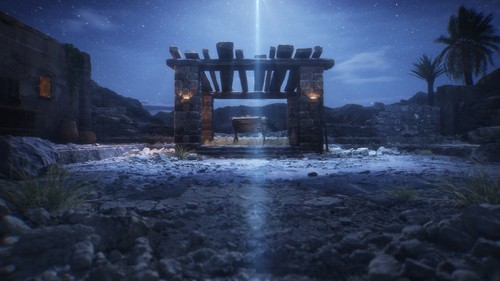
The Miraculous Details of Our Savior's Birth
If you read through the narrative, prophesy, and prose of the Old Testament in a chronological format you will discover that over time the prophesies and promises regarding the savior become more and more precise. They move from the grand to the granular. From the sweeping to the specific.
Have you ever stopped to consider just how meticulously God orchestrated the arrival of our Savior? While we often breeze through the Christmas story with a familiar comfort, the prophetic details surrounding Jesus' birth reveal something profound about God's character: He is a God of precision, purpose, and perfect planning.
When Details Matter Most
In our daily lives, details can make all the difference. A nurse administering medication knows that "close enough" isn't good enough—the details can literally mean the difference between life and death. Similarly, new parents don't casually throw darts at a name board. They carefully consider the meaning, the significance, the weight of the name their child will carry through life.
God operates with even greater intentionality. Throughout Scripture, we find that God is intimately concerned with details. Furthermore, that each detail serves a divine purpose in the grand narrative of redemption.
The Prophet's Vision
Seven hundred years before Jesus was born, the prophet Isaiah spoke words that seemed impossible: "Therefore the Lord himself will give you a sign. Behold, a virgin will be with child and bear a son, and she will call his name Emmanuel" (Isaiah 7:14).
A pregnant virgin. The very phrase is contradictory—it's an impossibility, unless, of course God enters the equation.
But why a virgin birth? Why wouldn't God have worked through natural means?
The Necessity of Purity
Perhaps the answer lies in understanding the inheritance of sin. Paul explains in Romans 5 that through one man—Adam—sin entered the world, and death through sin. This spiritual contamination spread to all humanity. Every person born through natural means inherits this sinful nature, this default setting of death and separation from God.
As one commentary beautifully states: "A sinless man is not subject to death, but since every person is subject to death, even the smallest baby, it proves that all mankind sinned in Adam."
For Jesus to be our perfect sacrifice, He needed to be completely without sin—not just in His actions throughout His life, but from the very moment of His conception. Had Joseph been His biological father, it is possible that Jesus would have inherited the sins of His father. Thus, the virgin birth would not have been miraculous just for the sake of being miraculous; it would have been necessary to ensure that Jesus was "pure even to the point of His birth."
Hebrews 4:15 confirms His total sinlessness: "For we do not have a high priest who cannot sympathize with our weakness, but one who has been tempted in all things as we are, yet without sin."
God With Us
The name Emmanuel means "God with us"—not God cheering from the bleachers, not God merely favoring our cause, but God physically present on earth with humanity.
This wasn't the first time. In the Garden of Eden, God walked with Adam and Eve in perfect fellowship. But sin created a chasm, forcing separation. Throughout the Old Testament, God's presence came and went in various forms—in the tabernacle, in the temple, through prophets and priests. But He was never again, in the fullest sense, with them.
But with Jesus, God took on flesh and dwelt among us. The eternal became carnal. The timeless entered time. The Creator walked among His creation.
And if we read to the end of the story in Revelation, we discover this is how it will be forever—no more temple needed because God Himself will dwell with His people for all eternity.
Names That Define a King
Isaiah 9:6 gives us even more names for this coming child: "For a child will be born to us, a son will be given to us, and the government will rest on his shoulders. And his name will be called Wonderful Counselor, Mighty God, Eternal Father, Prince of Peace."
Throughout history, rulers have been given impressive titles—Alexander the Great, William the Conqueror, James the Just. But these pale in comparison to the names given to Christ.
Wonderful Counselor speaks to His omniscience—not just wise, but the very source of wisdom itself. Perfect, supernatural wisdom that transcends our limited earthly perspective.
Mighty God emphasizes not "a god" but "THE God"—fully divine, possessing the power to create and sustain all things, demonstrating His omnipotence.
Eternal Father reveals a God who has no beginning or end, who will never abandon or fail us. Regardless of your earthly experience with fathers—whether positive, negative, or absent—God is the best Father you have ever known, and He is eternal.
Prince of Peace might have sounded to Isaiah's original audience like a promise of political deliverance from their oppressors. And while world peace has objectively increased since ancient times when warfare was constant, the deeper peace Christ brings is reconciliation with God. He is the bridge across the divide between humanity and holiness.
The Zeal of the Lord
Perhaps the most powerful phrase in Isaiah's prophecy comes at the end: "The zeal of the Lord of hosts will accomplish this."
Rather than removing sin from the world by removing sinners, His zeal brought redemption for sinners like us.
Instead of annihilation, He chose incarnation. Instead of judgment, He chose sacrifice. The solution wasn't to destroy the problem but to pay the price of it's consequence Himself through His Son.
More Than Just a Book
The Bible isn't just a book—it's 66 books written over 2,000 years by 40 different authors across three continents in three languages, containing nearly 64,000 cross-references. Yet it tells one unified story: how humanity who was separated from God by sin received a way back to their Creator through one perfect life, one sacrificial death, one miraculous resurrection.
This isn't ancient mythology or inspiring fiction. This is living, breathing truth that remains "sharper than any two-edged sword, able to pierce through the bone and marrow."
Changing Your Default
We're all born with a default setting and a default ending—sin and death. But through Christ, we have a choice. We can claim asylum in His kingdom, leaving behind the oppressive reign of sin and entering the eternal government of grace through Jesus.
The miraculous birth we celebrate wasn't just a divine magic trick. Every detail—the virgin conception, the prophetic names, the perfect timing—served the singular purpose of making a way where there was no way.
The question isn't whether God can save you. The zeal of the Lord of hosts has already accomplished that.
The question is: will you accept the invitation to leave the default behind?
If you read through the narrative, prophesy, and prose of the Old Testament in a chronological format you will discover that over time the prophesies and promises regarding the savior become more and more precise. They move from the grand to the granular. From the sweeping to the specific.
Have you ever stopped to consider just how meticulously God orchestrated the arrival of our Savior? While we often breeze through the Christmas story with a familiar comfort, the prophetic details surrounding Jesus' birth reveal something profound about God's character: He is a God of precision, purpose, and perfect planning.
When Details Matter Most
In our daily lives, details can make all the difference. A nurse administering medication knows that "close enough" isn't good enough—the details can literally mean the difference between life and death. Similarly, new parents don't casually throw darts at a name board. They carefully consider the meaning, the significance, the weight of the name their child will carry through life.
God operates with even greater intentionality. Throughout Scripture, we find that God is intimately concerned with details. Furthermore, that each detail serves a divine purpose in the grand narrative of redemption.
The Prophet's Vision
Seven hundred years before Jesus was born, the prophet Isaiah spoke words that seemed impossible: "Therefore the Lord himself will give you a sign. Behold, a virgin will be with child and bear a son, and she will call his name Emmanuel" (Isaiah 7:14).
A pregnant virgin. The very phrase is contradictory—it's an impossibility, unless, of course God enters the equation.
But why a virgin birth? Why wouldn't God have worked through natural means?
The Necessity of Purity
Perhaps the answer lies in understanding the inheritance of sin. Paul explains in Romans 5 that through one man—Adam—sin entered the world, and death through sin. This spiritual contamination spread to all humanity. Every person born through natural means inherits this sinful nature, this default setting of death and separation from God.
As one commentary beautifully states: "A sinless man is not subject to death, but since every person is subject to death, even the smallest baby, it proves that all mankind sinned in Adam."
For Jesus to be our perfect sacrifice, He needed to be completely without sin—not just in His actions throughout His life, but from the very moment of His conception. Had Joseph been His biological father, it is possible that Jesus would have inherited the sins of His father. Thus, the virgin birth would not have been miraculous just for the sake of being miraculous; it would have been necessary to ensure that Jesus was "pure even to the point of His birth."
Hebrews 4:15 confirms His total sinlessness: "For we do not have a high priest who cannot sympathize with our weakness, but one who has been tempted in all things as we are, yet without sin."
God With Us
The name Emmanuel means "God with us"—not God cheering from the bleachers, not God merely favoring our cause, but God physically present on earth with humanity.
This wasn't the first time. In the Garden of Eden, God walked with Adam and Eve in perfect fellowship. But sin created a chasm, forcing separation. Throughout the Old Testament, God's presence came and went in various forms—in the tabernacle, in the temple, through prophets and priests. But He was never again, in the fullest sense, with them.
But with Jesus, God took on flesh and dwelt among us. The eternal became carnal. The timeless entered time. The Creator walked among His creation.
And if we read to the end of the story in Revelation, we discover this is how it will be forever—no more temple needed because God Himself will dwell with His people for all eternity.
Names That Define a King
Isaiah 9:6 gives us even more names for this coming child: "For a child will be born to us, a son will be given to us, and the government will rest on his shoulders. And his name will be called Wonderful Counselor, Mighty God, Eternal Father, Prince of Peace."
Throughout history, rulers have been given impressive titles—Alexander the Great, William the Conqueror, James the Just. But these pale in comparison to the names given to Christ.
Wonderful Counselor speaks to His omniscience—not just wise, but the very source of wisdom itself. Perfect, supernatural wisdom that transcends our limited earthly perspective.
Mighty God emphasizes not "a god" but "THE God"—fully divine, possessing the power to create and sustain all things, demonstrating His omnipotence.
Eternal Father reveals a God who has no beginning or end, who will never abandon or fail us. Regardless of your earthly experience with fathers—whether positive, negative, or absent—God is the best Father you have ever known, and He is eternal.
Prince of Peace might have sounded to Isaiah's original audience like a promise of political deliverance from their oppressors. And while world peace has objectively increased since ancient times when warfare was constant, the deeper peace Christ brings is reconciliation with God. He is the bridge across the divide between humanity and holiness.
The Zeal of the Lord
Perhaps the most powerful phrase in Isaiah's prophecy comes at the end: "The zeal of the Lord of hosts will accomplish this."
Rather than removing sin from the world by removing sinners, His zeal brought redemption for sinners like us.
Instead of annihilation, He chose incarnation. Instead of judgment, He chose sacrifice. The solution wasn't to destroy the problem but to pay the price of it's consequence Himself through His Son.
More Than Just a Book
The Bible isn't just a book—it's 66 books written over 2,000 years by 40 different authors across three continents in three languages, containing nearly 64,000 cross-references. Yet it tells one unified story: how humanity who was separated from God by sin received a way back to their Creator through one perfect life, one sacrificial death, one miraculous resurrection.
This isn't ancient mythology or inspiring fiction. This is living, breathing truth that remains "sharper than any two-edged sword, able to pierce through the bone and marrow."
Changing Your Default
We're all born with a default setting and a default ending—sin and death. But through Christ, we have a choice. We can claim asylum in His kingdom, leaving behind the oppressive reign of sin and entering the eternal government of grace through Jesus.
The miraculous birth we celebrate wasn't just a divine magic trick. Every detail—the virgin conception, the prophetic names, the perfect timing—served the singular purpose of making a way where there was no way.
The question isn't whether God can save you. The zeal of the Lord of hosts has already accomplished that.
The question is: will you accept the invitation to leave the default behind?
No Comments